
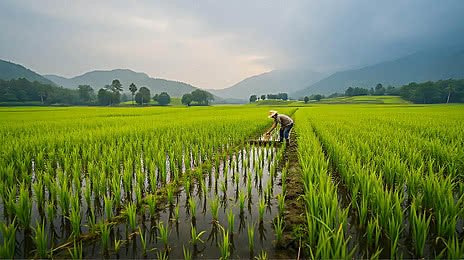
Farmer Society Development is one of the core initiatives of our Agriculture & Farmers Welfare Division, aimed at organizing farmers into structured groups to promote collective growth, economic stability, and sustainable agricultural development.
This initiative focuses on forming Farmer Societies consisting of 20–25 farmers at village and block levels. By working together, farmers can overcome individual limitations and achieve better results through cooperation, shared resources, and mutual support.
Objective of the Scheme
The main objective of Farmer Society Development is to:
- Strengthen unity among farmers
- Improve agricultural productivity
- Reduce farming costs through shared resources
- Provide better market access and fair pricing
- Ensure financial and social security for farmers
Formation of Farmer Societies
Under this scheme:
- Each society will include 20–25 local farmers
- Societies will be formed at village, block, and district levels
- A proper structure will be maintained with:
- President
- Secretary
- Treasurer
- Active members
These societies will operate in an organized and transparent manner to ensure maximum benefit for all members.
Key Features & Benefits
1. Collective Strength
Farmers working as a group can:
- Negotiate better prices for their produce
- Purchase inputs like seeds and fertilizers at lower rates
- Share knowledge and farming techniques
2. Resource Sharing
Members of the society can share:
- Agricultural machinery
- Irrigation facilities
- Storage and transportation resources
This reduces individual investment and increases efficiency.
3. Financial Support & Access
Farmer societies make it easier to:
- Avail government schemes and subsidies
- Get loans at lower interest rates
- Access insurance and financial assistance
Banks and institutions prefer organized groups over individuals.
4. Market Linkage & Profit Growth
Societies help farmers:
- Connect directly with buyers and markets
- Eliminate middlemen
- Get fair and profitable prices for crops
This increases overall farmer income.
5. Training & Skill Development
Regular training programs will be organized for society members, including:
- Modern farming techniques
- Organic farming practices
- Crop diversification
- Dairy and allied activities
Experts and professionals will guide farmers for better outcomes.
6. Social & Community Development
Farmer societies also promote:
- Unity and cooperation in rural areas
- Community-based problem solving
- Awareness about health, education, and welfare schemes
Working Process
- Identification of farmers in a village
- Formation of a group of 20–25 farmers
- Registration of the society (if required)
- Appointment of office bearers
- Regular meetings and planning
- Implementation of schemes and activities
Long-Term Vision
The long-term goal of Farmer Society Development is to:
- Build self-reliant farmer communities
- Promote sustainable agriculture practices
- Increase farmer income and living standards
- Strengthen rural economy
Conclusion
Farmer Society Development is not just a scheme, but a movement towards collective empowerment of farmers. By bringing farmers together, we create a system where everyone grows, supports each other, and builds a better future for the entire community.